Herbal medicine vs supplements for hormone balance
When exploring natural approaches to hormone balance, many people come across both herbal medicine and nutritional supplements.
While these approaches are often used together, they work in different ways within the body.
Understanding the difference can help individuals make more informed decisions about supporting hormonal health.
Nutritional supplements
Nutritional supplements provide vitamins, minerals and nutrients that support biochemical processes within the body.
Examples commonly used for hormone health include:
• magnesium
• zinc
• vitamin B6
• omega-3 fatty acids
These nutrients help support hormone production, nervous system balance and metabolic health.
Herbal medicine
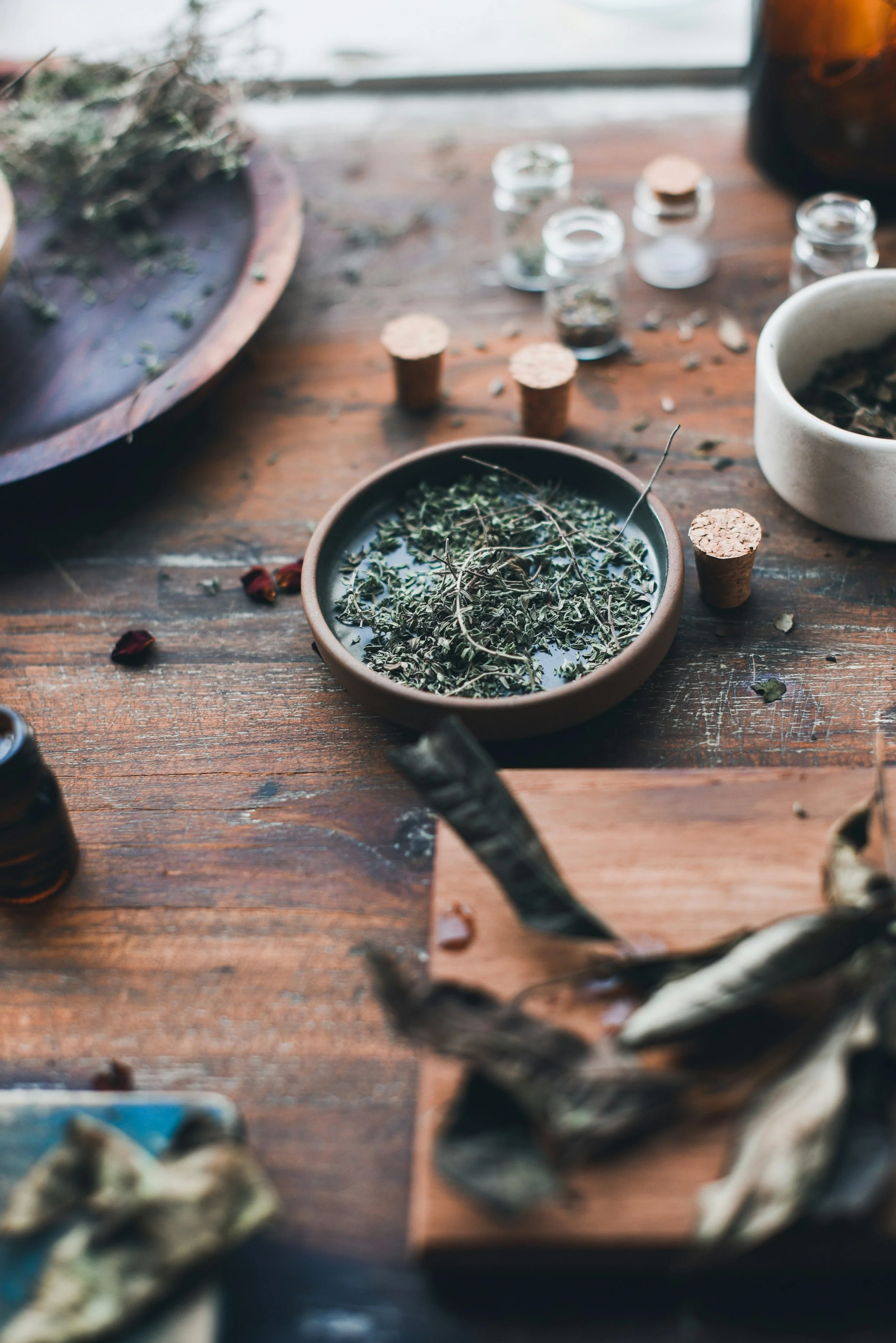
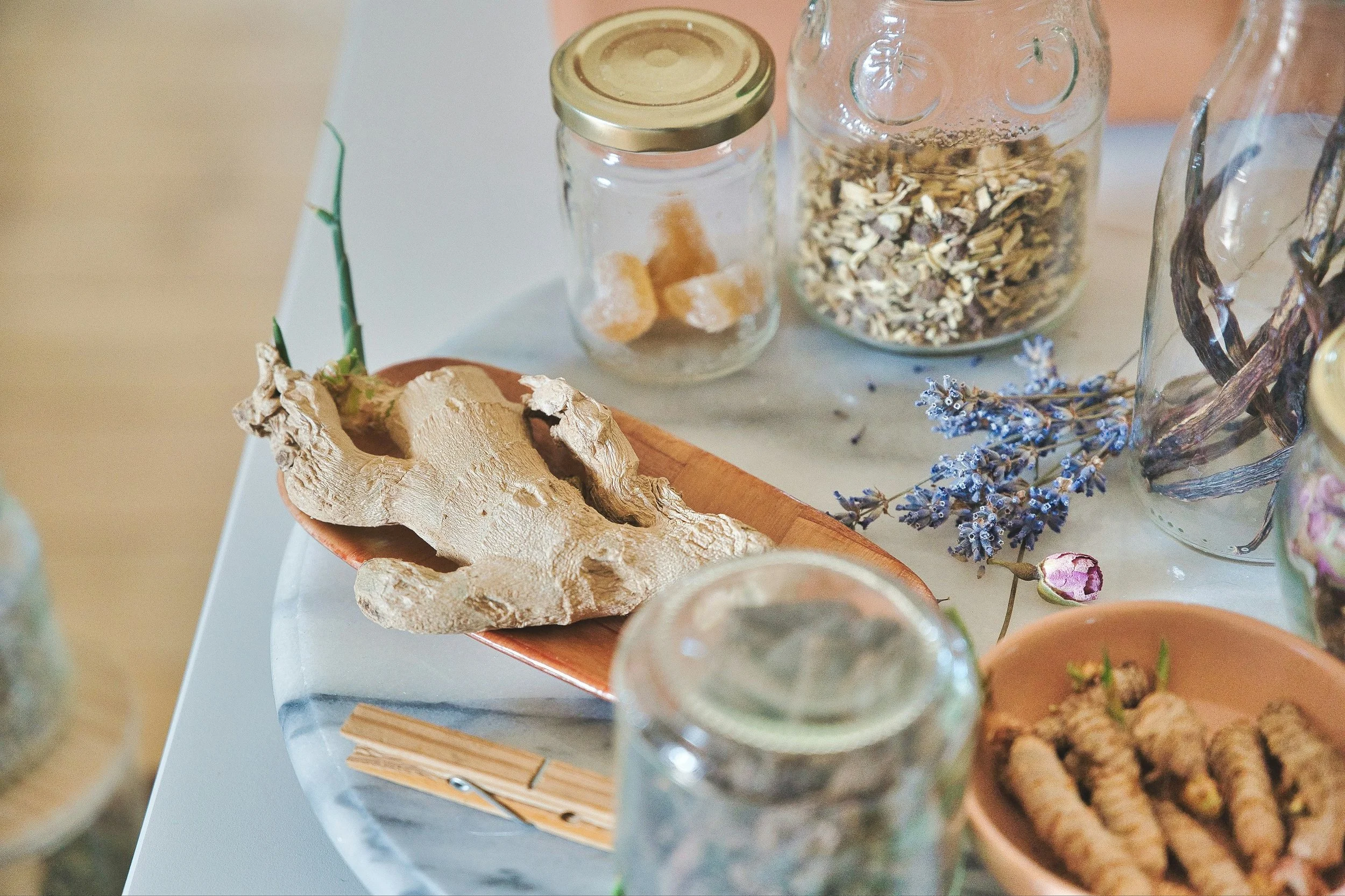
Herbal medicine uses plant extracts that influence physiological systems in the body.
Certain herbs may help support hormone regulation, stress resilience or liver detoxification pathways involved in hormone metabolism.
Examples may include:
• vitex
• ashwagandha
• lemon balm
• sage
Herbal medicine is often tailored to an individual's hormonal patterns and symptoms.
Hormonal changes may become more noticeable during transitions such as perimenopause.
Using both approaches
In many cases, herbal medicine and nutritional supplements are used together in naturopathic practice.
Supplements provide foundational nutritional support, while herbs influence physiological pathways involved in hormone balance.
Personalised support
Because hormone balance is influenced by many factors including stress, digestion and lifestyle, treatment is often most effective when tailored to the individual.
Naturopathy vs medication for hormonal imbalance
Hormonal imbalance is a common concern for many women and may contribute to symptoms such as irregular cycles, PMS, acne, fatigue or mood changes.
Treatment approaches may include conventional medications or naturopathic support strategies.
Understanding how these approaches differ can help individuals make informed decisions about their health.
Conventional medication approaches
Medical treatment for hormonal symptoms may include hormonal contraception or other medications that influence hormone signalling.
These medications may help regulate menstrual cycles or reduce certain symptoms.
However, they typically work by altering hormone activity rather than addressing the underlying factors influencing hormone balance.
Naturopathic support
Naturopathic care focuses on supporting the systems that influence hormone regulation.
This may include:
• supporting ovulation
• improving gut health
• stabilising blood sugar
• supporting the nervous system
• reducing inflammation
Lifestyle medicine, nutrition and herbal medicine can all contribute to improved hormone balance.
Hormonal symptoms often become more noticeable during life transitions such as perimenopause.
Choosing an approach
For some individuals, medical treatment may be appropriate.
Others may prefer to explore naturopathic strategies that focus on supporting the body's natural hormonal rhythms.
Many people benefit from an integrative approach that combines both medical and lifestyle strategies.
Personalised support
Understanding the factors influencing hormone balance can help guide more effective long-term health strategies.
Adaptogens vs antidepressants for stress
Stress and mood changes are increasingly common concerns, and treatment approaches can vary widely.
Some individuals are prescribed antidepressants, while others explore herbal adaptogens and lifestyle strategies.
Antidepressant medications
Antidepressants are commonly prescribed to treat depression and anxiety.
These medications influence neurotransmitters in the brain that regulate mood.
For some individuals they can provide significant symptom relief.
Adaptogenic herbs
Adaptogens are herbs traditionally used to support the body’s ability to respond to stress.
Examples include:
• ashwagandha
• rhodiola
• holy basil
• ginseng
These herbs may help support resilience to stress and improve energy balance.
Because stress also influences digestion, this article may be helpful:
→ How stress affects digestion
Choosing an approach
Different individuals respond differently to stress support strategies.
Some people benefit from medication, while others respond well to lifestyle medicine and herbal support.
Personalised support
A personalised approach to stress and nervous system health can help support mood, energy and resilience.
→ Book a consultation
Gut testing vs elimination diets
When experiencing digestive symptoms, many people consider gut testing or dietary elimination approaches.
Both strategies aim to identify potential triggers and improve digestive health.
Gut testing
Functional gut testing analyses stool samples to assess factors such as microbiome composition, inflammation markers and digestive function.
This testing may provide insight into microbial imbalances or digestive dysfunction.
Elimination diets
An elimination diet involves temporarily removing common trigger foods before reintroducing them gradually.
This process can help identify foods that may be contributing to symptoms.
If you experience daily digestive discomfort, this article may also be helpful:
→ Why am I bloated every day?
Which approach is best?
In many cases, both strategies may be useful.
Dietary patterns, digestive symptoms and health history can help guide the most appropriate approach.
Personalised support
Understanding your digestive health can help guide strategies that improve gut comfort and overall wellbeing.
Naturopathy vs antibiotics for SIBO
Small intestinal bacterial overgrowth (SIBO) is a digestive condition where bacteria that normally live in the large intestine grow excessively in the small intestine.
Treatment approaches may include antibiotics or herbal antimicrobial support.
Antibiotic treatment
Conventional treatment for SIBO often involves antibiotics designed to reduce bacterial overgrowth in the small intestine.
For some individuals, this approach can reduce symptoms such as bloating and gas.
However, symptoms may return if underlying drivers of gut imbalance are not addressed.
If bloating is a major symptom, you may also find this article helpful:
→ Why am I bloated every day?
Naturopathic support
Naturopathic treatment often includes herbal antimicrobials alongside strategies to improve digestive function and gut motility.
This may include:
• supporting stomach acid production
• improving gut motility
• restoring microbiome balance
• supporting nervous system regulation
The goal is not only to reduce bacterial overgrowth but also to support long-term gut health.
Personalised support
Because digestive symptoms can have multiple contributing factors, a personalised treatment plan is often the most effective approach.
→ Book a consultation
Accutane vs Natural Acne Treatment: Understanding Your Options
Acne can be incredibly frustrating, particularly when it persists into adulthood. Many people are offered medications such as Accutane (isotretinoin) when other treatments fail. Others explore naturopathic approaches that aim to address underlying drivers of skin inflammation.
Understanding how these two approaches differ can help you decide which path may be most appropriate for you.
What is Accutane?
Accutane is a powerful prescription medication derived from vitamin A. It works by reducing oil production in the skin and shrinking sebaceous glands.
For some people with severe cystic acne, Accutane can significantly improve symptoms. However, it is also associated with a number of potential side effects including:
• Dry skin and lips
• Liver strain
• Increased sensitivity to sunlight
• Mood changes
• Teratogenic risks during pregnancy
Because of these risks, treatment is typically monitored closely by a doctor.
A Naturopathic Approach to Acne
Naturopathic treatment focuses on identifying and supporting the underlying systems contributing to acne. In many cases, skin symptoms reflect internal imbalances involving hormones, digestion, inflammation or stress.
Common areas explored in naturopathic care include:
• Hormone balance
• Gut microbiome health
• Blood sugar regulation
• Liver detoxification pathways
• Nutritional deficiencies
Rather than suppressing symptoms, the goal is to create an internal environment where skin can naturally stabilise.
Which Approach Is Right For You?
Both approaches have a place in healthcare. Some people benefit from medical treatment during severe flare-ups, while others prefer to explore natural strategies that support long-term skin health.
A personalised approach often produces the best results, as acne rarely has a single cause.
If you're struggling with persistent or hormonal acne, a naturopathic consultation can help identify the underlying drivers affecting your skin.
👉 Book a consultation to explore personalised treatment options.